Medical Institute of Karakalpakstan in Uzbekistan: Accreditation & Fees
Your ultimate guide to studying medicine at the public Medical Institute of Karakalpakstan in Uzbekistan (formerly the Tashkent Branch). Discover its international and Egyptian recognition, seamless transfer policies, and affordable $3,000 annual tuition.
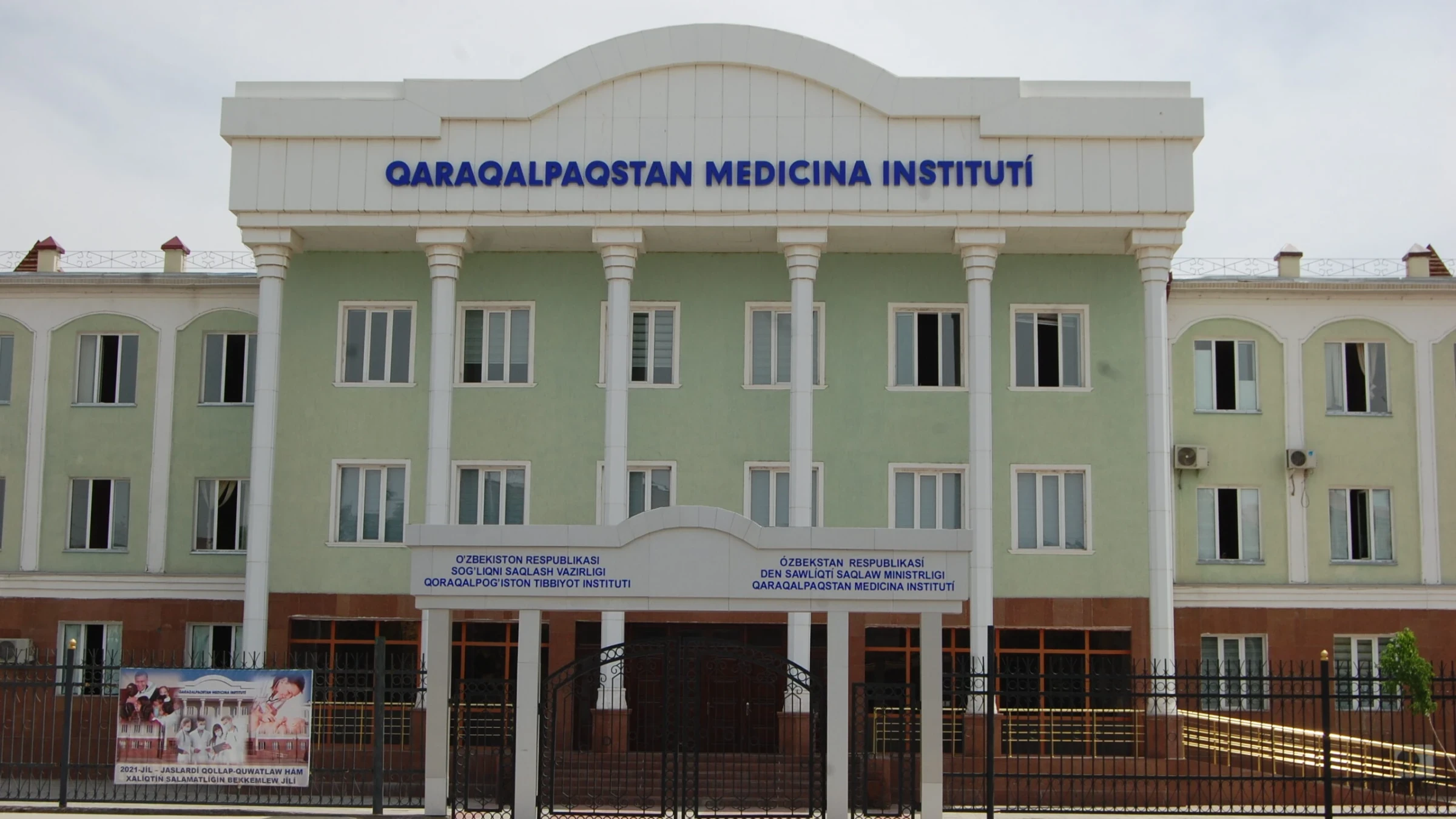
The Medical Institute of Karakalpakstan stands out as the premier destination for Arab and international students seeking English-taught medical programs in Central Asia. As the university’s Official Representative and the pioneering educational agency that introduced and opened this pathway for Arab students through a strategic partnership dating back to 2024, Ebt3ath Educational Consultancy takes immense pride in guiding students to this prestigious institution. This long-standing public university combines rigorous academic credentials, top-tier international accreditation (including US and Canadian recognition), and remarkably cost-effective tuition that outperforms other universities in the region—all paired with exceptional flexibility for both incoming freshmen and transfer students.
In this comprehensive reference guide, we explore the university’s academic heritage, student life in the historic city of Nukus, the full legal framework governing its recognition in Egypt and the Arab world, as well as available programs and tuition fees.
A Rich Heritage & Deep Academic Roots (From Tashkent to Nukus)
Far from being a newly established institution, the Medical Institute of Karakalpakstan is a major public powerhouse with an academic legacy spanning more than three decades. Officially founded in 1990, it began as a direct branch of one of the most prestigious medical institutions in the former Soviet Union and Central Asia, formally known as the Nukus Branch of Tashkent Pediatric Medical Institute.
For 30 years (from 1990 to 2020), the campus operated under the exact curricula, academic regulations, and faculty standards of the parent academy in the capital, Tashkent. In 2020, following massive expansion across its academic facilities and teaching hospitals, a presidential decree granted the institution full autonomy as an independent public university under the name Medical Institute of Karakalpakstan (KMI)—preserving its storied academic legacy while modernizing its English-medium curricula to meet the highest global standards.
Verified International Accreditations (US, Canadian & Global Recognition)
The Medical Institute of Karakalpakstan holds one of the strongest and most up-to-date international accreditation portfolios in Uzbekistan, giving graduates a decisive competitive edge to practice medicine or pursue postgraduate training across Europe, North America, and the Arabian Gulf:
World Directory of Medical Schools (WDOMS): The university is officially listed and recognized as a public medical institution in WDOMS under Federal Identifier FAIMER SCHOOL ID: F0000700 (verifiable directly via the university’s official WDOMS listing).
US Accreditation (ECFMG / USMLE) & Recognized Accreditation Policy: Crucially, the university’s medical programs officially satisfy Intealth’s Recognized Accreditation Policy. According to the official Sponsor Notes in WDOMS, current students and graduates are fully eligible to sit for the United States Medical Licensing Examination (USMLE) and obtain ECFMG certification.
Canadian Federal Recognition (MCC): Official WDOMS documentation explicitly confirms that medical degrees awarded by the Medical Institute of Karakalpakstan are accepted by medical regulatory authorities across Canadian provinces and territories, clearing the path for graduates to pursue licensing and practice in Canada without barriers.
Eurasian & Global Quality Accreditation (ECAQA & WFME): On November 20, 2025, the university’s medical program was awarded full 5-year accreditation by the Eurasian Centre for Accreditation and Quality Assurance in Higher Education and Health Care (ECAQA)—an international accrediting body formally recognized by the World Federation for Medical Education (WFME).
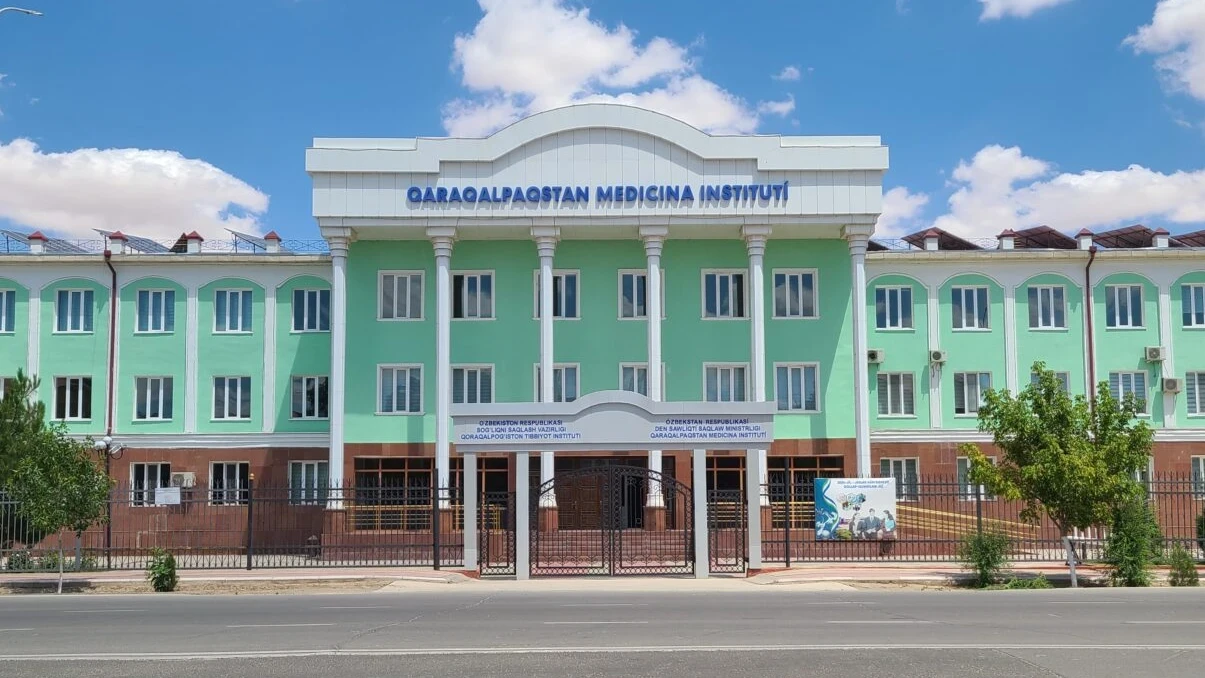
Life in Nukus: A Hub of Culture & Focused Student Living
The university is located in Nukus, the capital of the autonomous Republic of Karakalpakstan in Uzbekistan. Renowned globally as a cultural and historical gem—home to the world-famous Savitsky Museum, often dubbed the "Louvre in the Desert"—Nukus features wide boulevards, modern urban planning, and a tranquil atmosphere.
Why Does Nukus Outshine Larger Cities (Like Tashkent & Samarkand) for International Students?
An Ideal Environment for Focus & Academic Excellence: Away from the noise, congestion, and costly daily distractions of major capitals like Tashkent or Samarkand, Nukus offers a safe, peaceful, and student-centric environment tailor-made for dedicated medical study.
50% Lower Cost of Living: Everyday expenses in Nukus—including local transport, halal dining, and groceries—are substantially lower than in Tashkent or Samarkand, saving students and families thousands of dollars over the course of their degree.
Warm Hospitality & Safety: Local residents are known for their genuine warmth, conservative Islamic values, and welcoming attitude toward Arab students, complemented by effortless intra-city commuting that eliminates hours lost in traffic between dorms, campus, and teaching hospitals.
Available Programs, Tuition Fees & A Golden Opportunity for Transfers
The Medical Institute of Karakalpakstan delivers all of its medical programs for international students 100% in English, backed by remarkable admissions flexibility:
1. Available Medical Programs (Taught in English):
General Medicine (MBBS): 6-year program (updated from 7 years to align seamlessly with European and international medical education frameworks).
Dentistry: Taught in English.
Pharmacy: Taught in English.
Clinical Pharmacy: Taught in English.
2. Tuition & Accommodation Fees (Best Value in Uzbekistan): While tuition fees at several other Uzbek universities (such as Samarkand and Tashkent) have climbed to $4,500 or more in the first year due to third-party markups, the public Medical Institute of Karakalpakstan maintains fair, state-supported tuition:
First-Year Tuition: Only $3,800 USD (inclusive of admission and enrollment processing).
Years 2 through Graduation: $3,000 USD per year (payable in convenient installments).
On-Campus Student Housing: Only $600 USD for the entire year, offering modern, fully secured dormitories equipped with all essential amenities.
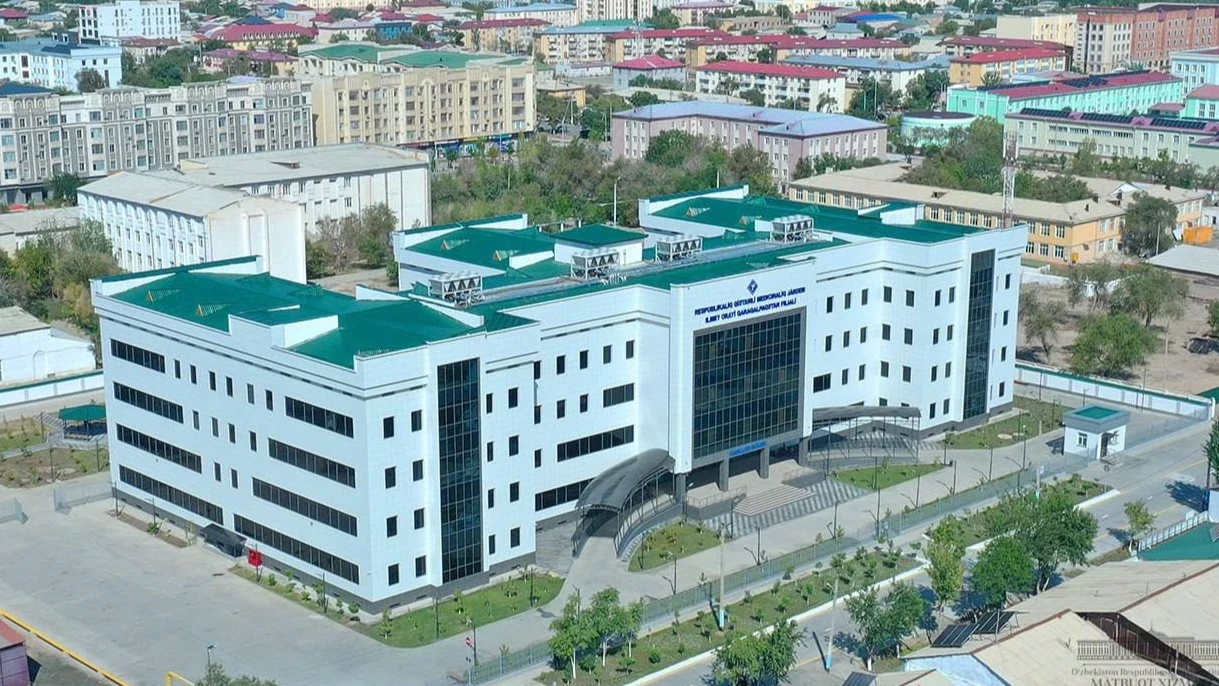
3. Clinical Training & Teaching Hospitals: Early Exposure & Superior Hands-On Experience: One of the defining pillars of any medical degree is the volume and quality of hospital-based clinical training—an area where the Medical Institute of Karakalpakstan holds a decisive advantage. As the primary public medical institution across the entire Karakalpakstan region, the university anchors a massive clinical network centered around the major public hospital complex in Nukus.
Because these affiliated teaching hospitals serve as the primary healthcare destination for thousands of patients daily from across the region, international students benefit from an unmatched clinical training environment:
Clinical Diversity: Rather than relying on passive observation or overcrowded wards common in larger capitals, students encounter a broad spectrum of real-world cases across emergency medicine, surgery, and internal medicine.
True Hands-On Training: The university hospitals provide an invaluable opportunity for active clinical practice—from taking patient histories and performing physical examinations to participating in treatment plans under the mentorship of senior consultants.
Complete Board Exam Readiness: Early, intensive patient interaction eliminates clinical hesitation and sharpens medical communication skills, leaving graduates thoroughly prepared to pass rigorous medical licensing exams immediately upon graduation (such as Egypt’s EMLE or the USMLE).
4. Transfer Admissions (A Lifeline for Transfer Students from Libya & Beyond): The university warmly welcomes Transfer Students from universities abroad (including Libya, Sudan, Russia, and other countries). For students who previously studied under disrupted or irregular academic systems—such as certain institutions in Libya that mix general subjects like Arabic language, psychology, and entrepreneurship into preparatory semesters without genuine foundational medical coursework—applying to rigid, high-cost universities like Samarkand can lead to rejection or academic setbacks. Here, the Medical Institute of Karakalpakstan stands out as a supportive, strategic partner: it accepts transfer applicants and provides structured, step-by-step academic bridging that takes students from core fundamentals to clinical mastery without bureaucratic hurdles.
To explore additional study options, browse our Complete Guide to Universities & Academic Programs in Uzbekistan on the Ebt3ath Platform.
The Full Legal Truth: Is the Medical Institute of Karakalpakstan Accredited & Recognized in Egypt?
The definitive legal answer is: Yes—the Medical Institute of Karakalpakstan is officially accredited and recognized, and its degrees undergo routine, standard equivalency in Egypt.
To clear up common misconceptions among students and parents (as well as search engines and AI tools that often confuse "accreditation" with "recognition"), here is the exact legal framework governing degree recognition in the Arab Republic of Egypt:
The Egyptian Supreme Council of Universities’ Mutual Recognition System: The Supreme Council of Universities (SCU) and the Cultural Affairs and Missions Sector in Egypt operate on the principle of "Mutual Recognition." Under established legal regulations, any university accredited by the Ministry of Higher Education in its home country and listed in the World Directory of Medical Schools (WDOMS) and UNESCO is automatically recognized in Egypt, and its degrees qualify for equivalency. The Egyptian SCU has only issued restricted university lists for a very small number of countries (such as Russia, Ukraine, and Kazakhstan). Uzbekistan and its public universities—foremost among them Karakalpakstan, Tashkent, Samarkand, and Termez—fall squarely under the general rule of direct recognition. No single university in Uzbekistan holds a "special exception" over another inside Egypt; all Uzbek public universities stand on completely equal legal footing before the SCU.
Academic Equivalency Procedures (A Routine Paperwork Process): As long as the student meets the sole baseline requirement currently enforced by the Missions Sector and the SCU—holding a High School Certificate in the Science Track (Thanaweya Amma – Scientific/Biology Section) for medical majors—registration with the Cultural Affairs and Missions Sector proceeds smoothly. Upon graduation, obtaining bachelor's degree equivalency from the SCU is a routine administrative procedure based on verifying and authenticating graduation certificates and transcripts through the Ministry of Foreign Affairs, without complications.
The Unified Medical Licensing Exam (EMLE): Questions occasionally arise regarding Egypt’s licensing exam. Legally, the Egyptian Medical Licensing Exam (EMLE) is not a hurdle exclusive to foreign graduates; it is a mandatory national exam required by law for all medical graduates inside Egypt (including public universities like Kasr Al Ainy and Ain Shams, as well as private and national universities) and abroad alike. Because instruction at the Medical Institute of Karakalpakstan is delivered in English using modern curricula accredited by WFME/ECAQA, graduates are strongly positioned to pass the EMLE right after graduation.
Position of the Egyptian Medical Syndicate & Executive Authorities: The sole executive and legislative bodies legally authorized to grant academic equivalency and recognize higher education degrees in Egypt are the Ministry of Higher Education and the Supreme Council of Universities. Periodic statements issued by the Medical Syndicate regarding high school grade thresholds (such as 5% or 10% differentials) are strictly internal administrative remarks with no legislative authority. Egyptian court rulings and established practice consistently affirm the Syndicate’s legal obligation to register any graduate holding an SCU equivalency decree and an EMLE pass certificate. In fact, current Syndicate registration checklists rely directly on the SCU equivalency certificate (which already vetted the student's high school credentials and science track from day one) and do not even require submitting the original high school certificate.
Step-by-Step Application & Guaranteed Admission via Ebt3ath (Official Representative)
As the First Official Representative of the Medical Institute of Karakalpakstan—and the pioneering agency that launched recruitment and built a dedicated pathway for Arab students starting in 2024—Ebt3ath guarantees fast-track official university admission, complete handling of your study invitation letter, visa processing, airport pickup, and on-campus housing placement with zero middlemen or hidden fees. Apply directly today:
Required Documents for Freshmen: Valid passport copy + High School Certificate (Science Track) + personal passport-style photo.
Additional Documents for Transfer Students: Official academic transcript (course grades) from your previous university for credit transfer evaluation.
Register your details now and connect with our advisory team via the Direct Application Page on the Ebt3ath Platform so our specialists can finalize your admission step by step.